
Special Education Tutoring Near Me: How to Find the Right Tutor
Does your child struggle with reading, writing, math, or study skills? If so, you are not alone! In the United States, roughly 7.5 million children have a special education diagnosis, and many more have academic challenges. Students with ADHD, autism, and learning disabilities often struggle in school and have poor self-esteem. The good news is that there are many resources now available to help your child with specialized learning needs. If you have searched “special education tutoring near me,” you’re on the right track. Finding the right special education tutor for your child can help them immensely in building both their academic skills and their self-confidence.
This article will walk you through how to find the right special education tutor, including what to look for in an instructor and how to make sure you’ve found the right match for your child.
What is special education tutoring?
Special education tutoring is highly individualized tutoring that uses research-based approaches to help students with learning challenges such as:
- ADHD
- Dyslexia
- Dysgraphia
- Dyscalculia
- Executive functioning challenges
- Autism
- Processing delays
- Speech and language challenges
Unlike homework help or generic tutoring, specialized tutoring focuses on:
- Your child’s individual needs, including their unique skills and levels
- Building foundational skills in reading, writing, and math
- Developing executive functioning skills, including planning, time management, and organization
- Increasing independence and confidence
What are signs that your child may need a special education tutor?
Some children may just need homework help or minimal academic support, but others need more specialized instruction. Here are some signs that your child may need specialized tutoring:
- Your child has been evaluated and has an IEP or 504 Plan
- Homework is a struggle and takes a long time to complete
- Reading, writing, or math skills are weak
- Your child struggles to learn and retain new concepts
- Your child’s teacher has noticed challenges with focus, organization, and executive functioning skills
- Your child has low self-esteem
- If any of these points apply to your child, they may benefit from specialized one-on-one tutoring, not just generic tutoring or homework help.
What makes a strong special education tutor?
Some tutors specialize in early childhood reading. Others are pros at high level math or writing instruction. Yet not all tutors specialize in special education tutoring. When searching for a “special education tutor near me”, the following characteristics are important:
1. Specialized experience and expertise
If your child has specialized learning needs, it’s important that they work with a tutor who has expertise in working with similar students. For example, if your child has dyslexia, look for a tutor who specializes in working with students with dyslexia using the Orton Gillingham approach. If your child has dysgraphia or struggles with writing, look for a writing specialist who uses multi-sensory techniques. In general, you should look for a tutor who has expertise in:
- Special education tutoring
- Reading remediation, using research-based methods like Orton Gillingham
- Executive functioning coaching
- Writing remediation
- Multi-sensory math instruction
Read more about executive functioning coaching at Executive Functioning Coaching | Build Organization, Time Management & Study Skills | EBL Coaching
2. Individualized tutoring approach
Children who have specialized learning needs respond best to tutoring that is customized to their specific needs. When looking for a tutor for your child, avoid a one-size-fits-all approach to tutoring. A strong special education tutor will:
- Start with an initial assessment to gauge your child’s strengths and areas of need
- Create an individualized tutoring plan using research-based, multi-sensory techniques
- Modify the pace of the instruction based on how your child responds
- Tweak the tutoring as your child progresses through the lessons
3. Strong relationship building
Students with learning challenges typically respond best to tutoring when they connect well with their tutor. The right personality match is key. If your child has specialized learning needs, they will likely need:
- Positive reinforcement
- Encouragement
- Self-esteem building
- Opportunities to make mistakes without feeling poorly about themselves
The relationship your child has with their tutor is key to your child being open and receptive to the content being taught.
4. Focus on confidence-building
Many students who struggle in school have low self-esteem. The best tutors don’t just focus on academic skills building but are also positive and encouraging, focusing on improving your child’s self-confidence. Strong tutors help students:
- Feel confident and capable
- See their progress, in turn empowering them to enjoy learning
- Build independence
Read more about finding the best tutor for your child at How to Find the Best Tutor for Your Child in NYC – EBL Coaching
How do I find a special education tutor near me?
Finding the right tutor for your child – someone who has the appropriate areas of specialty and who connects well with your child – can sometimes feel challenging. When searching for a tutor near you, here are some helpful strategies:
Use specific search terms when looking online
Instead of searching just “tutor,” try searching:
- “Special education tutoring near me”
- “ADHD tutor near me”
- “Dyslexia tutor near me”
- “Math tutoring near me”
- “Orton Gillingham tutoring near me”
Try to find specialized tutors
While virtual tutoring works well for some students, others respond best to local in-person tutoring. Local tutors may:
- Work with your child in-person at your home
- Bring multi-sensory tools for the tutoring sessions, such as magnetic tiles, shaving cream, and sandpaper
- Understand the schools and curricula in your area
- Provide more individualized instruction than large tutoring chains which may not specialize in working with students with learning challenges
Ask questions!
Before committing to a specific tutor, ask specific questions, such as:
- Do you have experience working with students with my child’s specific needs, including dyslexia, ADHD, autism or other learning disabilities?
- How do you individualize the tutoring sessions to meet the needs of each student?
- Do you use research-based, multi-sensory techniques?
- How do you communicate progress to parents?
In-home or virtual tutoring: which is better?
Some children prefer virtual tutoring, while others learn best with in-person tutoring. Both options can work well, depending on your child’s specific needs and profile. Detailed below are advantages to both modalities:
In-home tutoring
- Develop strong rapport with tutor
- Multi-sensory tools can easily be integrated
- Fewer distractions for some students
- Comfortable environment
Virtual tutoring
- More flexible scheduling
- Access to specialized tutors who may not be available in your local area
- Great option for middle or high school students, including those who are comfortable using technology
Some students prefer a hybrid approach that combines in-person and virtual tutoring. This option can work well, especially when families travel or a family member isn’t feeling well and in-person tutoring isn’t feasible.
Why the right match is important
Many tutors are highly qualified and are experts in their fields. However, if your child doesn’t connect with them, they may not be receptive to the concepts the tutor in teaching them. The right personality fit is important for successful tutoring.
When the right match is in place, you’ll likely notice:
- Less resistance to tutoring sessions
- Improved self-confidence
- More engagement in learning
- Increased academic performance
- Improved independence
With tutoring, it’s important that your child not only builds their academic skills but that they become more self-confident in their abilities.
Closing thoughts
Finding the right special education tutor for your child can help them immensely. When you search for “special education tutoring near me”, make sure you look for a tutor who specializes in working with students like your child, creates a structured tutoring plan, and connects well with your child.
If your child is struggling in school, EBL Coaching can help! We specialize in providing one-on-one tutoring to students in grades prek-12 with specialized learning needs. We use research-based, multi-sensory techniques to help students with dyslexia, ADHD, autism, specific learning disabilities, and other academic challenges build their reading, writing, math, and executive functioning skills. Sessions can take place at our learning centers, located at 17 East 89th Street, Suite 1D, New York, NY and 50 East Palisade Avenue, Suite 201, Englewood, NJ 07631. We also provide virtual tutoring and in-person tutoring at your home.
Frequently Asked Questions About Special Education Tutoring
How often should my child meet with a special education tutor?
The frequency and duration of tutoring vary based on your child’s needs. Some children only need 1-2 sessions per week while others need many more frequent weekly sessions, depending on the severity of their challenges. Before starting the tutoring sessions, your child should receive an initial evaluation to gauge their specific needs and to come up with a unique tutoring plan most suitable for them.
How long does it take to see progress from special education tutoring?
The rate of progress from special education tutoring varies based on each child. Some students respond quickly to specialized tutoring while others need more time to process and comprehend new material.
What’s the difference between a regular tutor and a special education tutor?
A regular tutor may help your child with homework or provide instruction to them that may vary from session to session. Special education tutors, however, create individualized, structured tutoring plans using research-based, multi-sensory techniques that cater to your child’s needs and modify the instruction based on how your child responds to the tutoring.
Is one-on-one tutoring better than group tutoring sessions?
For students with specialized learning needs and academic skills challenges, one-on-tutoring tends to be much more effective than group tutoring since it allows the instruction to be truly individualized to your child’s needs.
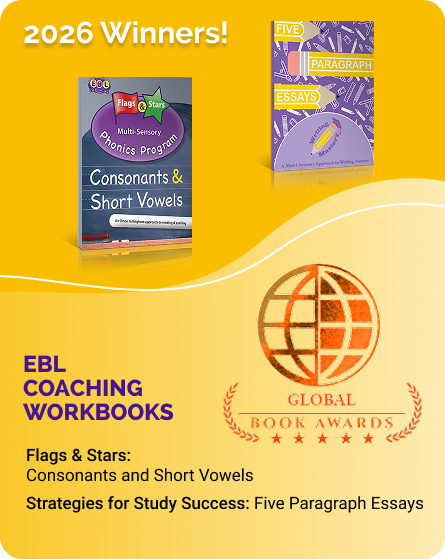
Dr. Emily Levy, the founder and director of EBL Coaching, has helped thousands of students with specialized learning needs build their academic skills over the past twenty years. She is the author of the Strategies do Study Success student workbook series, the Flags and Stars Orton Gillingham student workbook program, and the Flags and Stars Multi-Sensory Math student workbook series. She speaks nationally at educational conferences and frequently appears on podcasts as an educational expert.