
Back-to-School Tips for Children With Dyslexia: A Parent’s Guide
A new school year can bring mixed emotions for children with dyslexia. They might be excited to see their friends and meet their new teachers, but they may also be worrying about reading assignments, homework, and keeping up in class. Preparing your child now for the new year can go a long way toward easing these concerns and helping your child feel confident and prepared for the year ahead.
How can you help your child with dyslexia prepare for the new school year?
1. Establish a Back-to-School Routine for Your Child with Dyslexia
In addition to reading challenges, some students with dyslexia may also have difficulty with executive functioning skills, including planning, organization, and time management. Helping them set predictable routines can reduce the number of tasks your child needs to remember and can make busy school days feel more manageable for them.
Before school starts, establish consistent routines for waking up, getting ready for school, completing homework, and going to bed. Encourage your child to prepare as much as possible the night before by packing their backpack, choosing their clothes, and organizing any materials they will need for the following day.
You may want to even create visual checklists for recurring tasks, both for the morning and after-school hours. Over time, these strategies can help your child become more independent and organized.
2. Create a Homework Space That Supports Your Child with Dyslexia
To build organizational skills and prepare your child for the new school year, help them set up a designated place where they will consistently complete their homework and study. Ideally, the area should be quiet, organized, and free from distractions.
Make sure you stock this space with supplies they will need for completing their schoolwork, including pens, pencils, highlighters, paper, and folders. Having everything readily available can minimize interruptions and make it easier for your child to get started and finish their work.
If your child has difficulty staying focused for long periods, try breaking homework into shorter work sessions with brief breaks in between. Additionally, a long assignment can also be overwhelming to them, so try dividing it into smaller, clearly defined steps.
3. Help Your Child with Dyslexia Manage Back-to-School Anxiety
Children with dyslexia may feel anxious about challenges they may face during the new school year, such as reading aloud, completing writing assignments, keeping pace with their classmates, or adjusting to a new teacher’s expectations.
Talk to your child about these concerns. Instead of just reassuring them that everything will be okay, help them identify specific situations they are worried about and develop strategies for handling them. For instance, if homework was particularly difficult last year, discuss strategies that can help make the process more manageable this year.
Giving your child a voice in these conversations can help them feel more prepared and less anxious about starting the new school year.
Learn more about dyslexia tutoring and the different approaches that may support reading and writing development at Best Tutoring for Dyslexia: Orton Gillingham, Reading, and Writing Support for Children – EBL Coaching.
4. Talk to Your Child’s Teacher About Dyslexia Before School Starts
For students with dyslexia, communication with teachers is important. Don’t wait until your child starts to struggle to establish communication with their teacher.
At the beginning of the year, introduce yourself and share relevant information with them about your child’s dyslexia, learning style, strengths, and areas of difficulty. If your child has an IEP, make sure their teachers and service providers receive the document and are familiar with the accommodations and services your child needs.
You may also want to establish a system for ongoing communication so you can learn about and address any concerns early, before they become larger challenges.
5. Make Sure Your Child’s Dyslexia Accommodations Are in Place
Accommodations can help students with dyslexia demonstrate what they know without being limited by challenges with reading, spelling, or writing.
While it can vary based on a child’s individual needs and educational plan, accommodations might include extended time, access to audiobooks or text-to-speech technology, reduced copying demands, or preferential seating.
Accommodations should always be individualized to the needs and profile of each student. The idea is to provide appropriate access to instruction and allow your child to demonstrate their knowledge.
6. Watch for Early Signs of Academic Difficulty
The beginning of school can provide important information about whether your child’s current supports are sufficient.
Take notice if your child:
- Takes an unusually long time to complete reading or writing assignments
- Often avoids reading
- Has significant challenges with spelling
- Struggles to sound out words
- Reads slowly or inaccurately
- Has trouble remembering information they read
- Becomes increasingly frustrated when completing schoolwork
- Makes comments like, “I’m bad at reading,” or “I’m not smart”
- Shows a decline in confidence
One challenging homework assignment or poor grade doesn’t necessarily indicate a problem. However, a consistent pattern of difficulty shouldn’t be ignored.
Learn what to look for when choosing a reading specialist in NYC at What to Look for in a Reading Specialist in NYC- EBL Coaching.
7. Provide Structured Reading Support
Children with dyslexia typically benefit from reading instruction that is explicit, structured, multi-sensory, and cumulative.
Structured literacy approaches, including Orton-Gillingham instruction, can provide explicit, systematic instruction in foundational reading and spelling skills. It incorporates multi-sensory tools while explicitly teaching sound/letter relationships, decoding, spelling, syllable types, and other foundational literacy skills.
For a child with dyslexia, don’t assume that additional reading practice alone will resolve their challenges; it’s important to determine the specific areas of difficulty and provide instruction targeted to those needs.
At EBL Coaching, we provide individualized, one-on-one tutoring to students with dyslexia and other learning challenges. The specialized tutoring sessions integrate structured, research-based, multi-sensory techniques, including the Orton Gillingham approach, that target each student’s specific reading and spelling needs.
Students can receive support at our learning centers in New York City and New Jersey, at your home, or virtually.
8. Focus on Your Child’s Strengths
When a child struggles with reading and other academic skills, those difficulties can easily become the focus of conversations about school.
Try to make a conscious effort to recognize and emphasize your child’s strengths. A student who has difficulty decoding words may be an excellent problem solver, athlete, artist, musician, or creative thinker.
Remember to praise their effort, persistence, and improvement, rather than focusing exclusively on grades.
Your child should understand that dyslexia describes a particular pattern of learning challenges, but it doesn’t define their intelligence or their potential.
9. Don’t Wait Too Long to Seek Additional Help
Some parents may think that a challenging start to the school year will resolve once their child becomes adjusted to a new teacher and routine. While that may sometimes be the case, persistent reading difficulties shouldn’t be ignored.
If your child continues to struggle with decoding, reading fluency, spelling, comprehension, or writing, you may want to speak to their teacher and seek additional individualized support.
Early intervention can prevent academic gaps from becoming even greater and can help protect your child’s confidence.
Helping Your Child Start the School Year with Confidence
A new school year can be an exciting time, offering children with dyslexia an opportunity for a fresh start. By establishing predictable routines, communicating with your child’s teachers, ensuring appropriate accommodations are in place, and providing targeted reading intervention, you can help make your child’s transition to school much smoother.
Remember not to measure your child’s success solely by how quickly they read or the grades they receive. Help them recognize their progress (and be proud of it!) and understand that they can become successful students even when certain academic skills require additional effort and support.
If your child with dyslexia is struggling with reading, spelling, writing, or executive functioning, EBL Coaching can help! We offer individualized tutoring for students with dyslexia, ADHD, and other learning challenges in NYC and New Jersey. We create customized tutoring plans based on each student’s specific learning needs and use structured, research-based, multi-sensory approaches to help students strengthen their academic skills and self-confidence.
Learn more about Orton Gillingham tutoring for students in Manhattan at Orton Gillingham Tutoring in Manhattan for Dyslexia & Reading Success.
Frequently Asked Questions about Dyslexia Intervention
How can I prepare my child with dyslexia for a new school year?
To help prepare your child with dyslexia for the new school year, start by establishing school-year routines before classes start, like creating visual checklists and moving bedtime and wake up times earlier. You can also help your child set up a homework space and communicate with their teachers and other service providers early.
Should I tell my child’s new teacher that they have dyslexia?
Yes! Teachers should know about your child’s diagnosis along with their learning needs and any accommodations or services included in their IEP or 504 Plan. You may want to also share information about strategies that have worked well for them in the past (and even those that haven’t worked) to help their teacher support your child from the start of the year.
Which accommodations can help students with dyslexia at school?
Accommodations vary based on the needs of each student, but some accommodations that many students with dyslexia benefit from include extended time, audiobooks, text-to-speech technology, reduced copying requirements, and additional time for writing assignments. Accommodations should be based on your child’s individual needs.
What are signs that my child with dyslexia needs additional reading support?
If your child has difficulty sounding out unfamiliar words, reads slowly, has persistent spelling challenges, avoids reading, or takes an excessive amount of time to complete homework, additional support may be helpful for them.
Is the Orton Gillingham approach helpful for children with dyslexia?
Yes! The Orton Gillingham approach uses explicit, structured, sequential, and multi-sensory instruction to teach students foundational reading and spelling skills. These principles align with the type of structured literacy instruction that students with dyslexia often need.
How often should a child with dyslexia receive tutoring?
There is no set schedule that is appropriate for every student. The frequency of tutoring should vary based on your child’s individual needs, including their reading level, severity of difficulties, and school-based services they may be receiving. Consistent instruction is important when a student is receiving Orton Gillingham tutoring or reading remediation to develop academic skills effectively and help close significant skill gaps.
Can tutoring help a child with dyslexia become more confident?
Yes! Individualized dyslexia tutoring can help students build skills that previously caused frustration. As children begin to develop their reading skills and experience success, they often become more confident and willing to take on challenging academic tasks.
Where does EBL Coaching provide dyslexia tutoring?
EBL Coaching provides individualized tutoring for students with dyslexia and other learning challenges in New York City and New Jersey. Sessions can be provided at their learning centers, at the home, or virtually. Tutoring sessions use research-based, multi-sensory techniques that are individualized to each student’s specific needs.
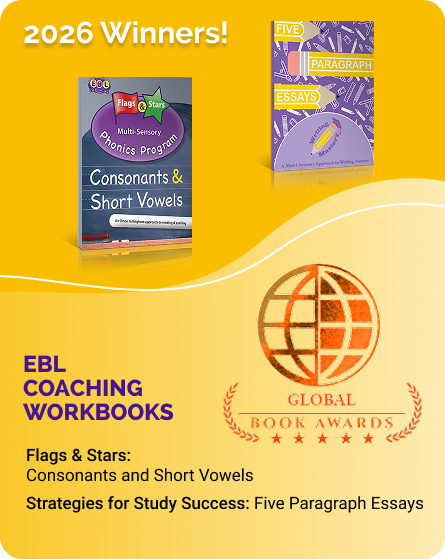
Dr. Emily Levy, the founder and director of EBL Coaching, has helped thousands of students with dyslexia improve their academic skills over the past twenty years. She is the author of the Strategies do Study Success student workbook series, the Flags and Stars Orton Gillingham student workbook program, and the Flags and Stars Multi-Sensory Math student workbook series. She speaks nationally at educational conferences and frequently appears on podcasts as an educational expert. She has also been featured in publications including Newsweek, Autism Advocate Parenting Magazine, Epoch Times, and Macaroni Kids.